Inspiration
Plants that Attract Birds to your Outdoor Living Space
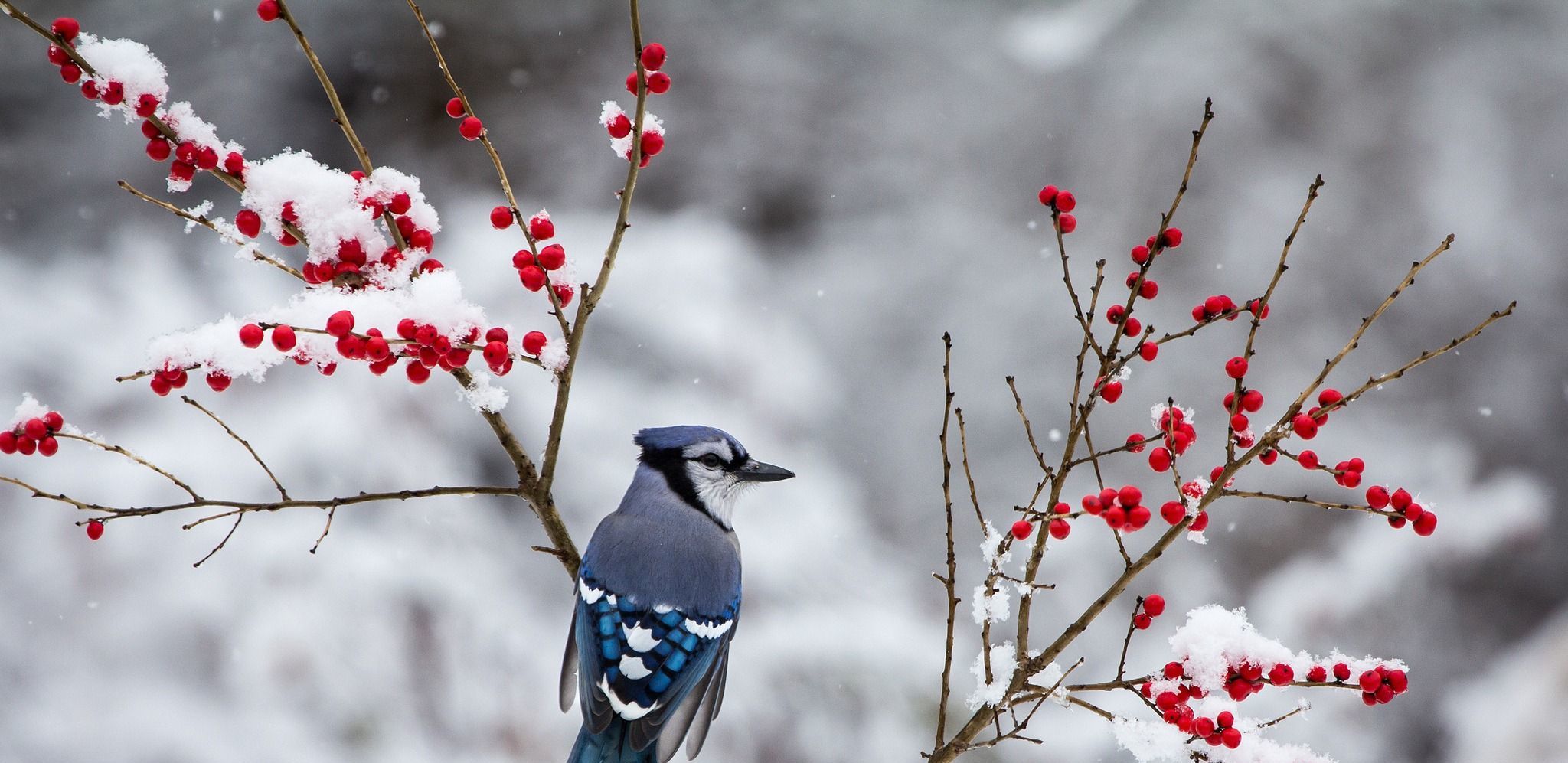
Story Highlights
If you’re a bird watcher, even a casual one, you may have noticed that birds seem to prefer specific plants. A bird's preferences revolve around a plant's ability to solve basic needs when it comes to food, nesting, and protection.
If you're looking to attract birds to your backyard, the goal should be to create an environment that provides for all of their basic needs. In this guide, we provide you with multiple plant suggestions for creating a bird-friendly backyard that will attract and sustain your feathered-friends.
Starting with Perennials & Annuals
Purple Coneflower
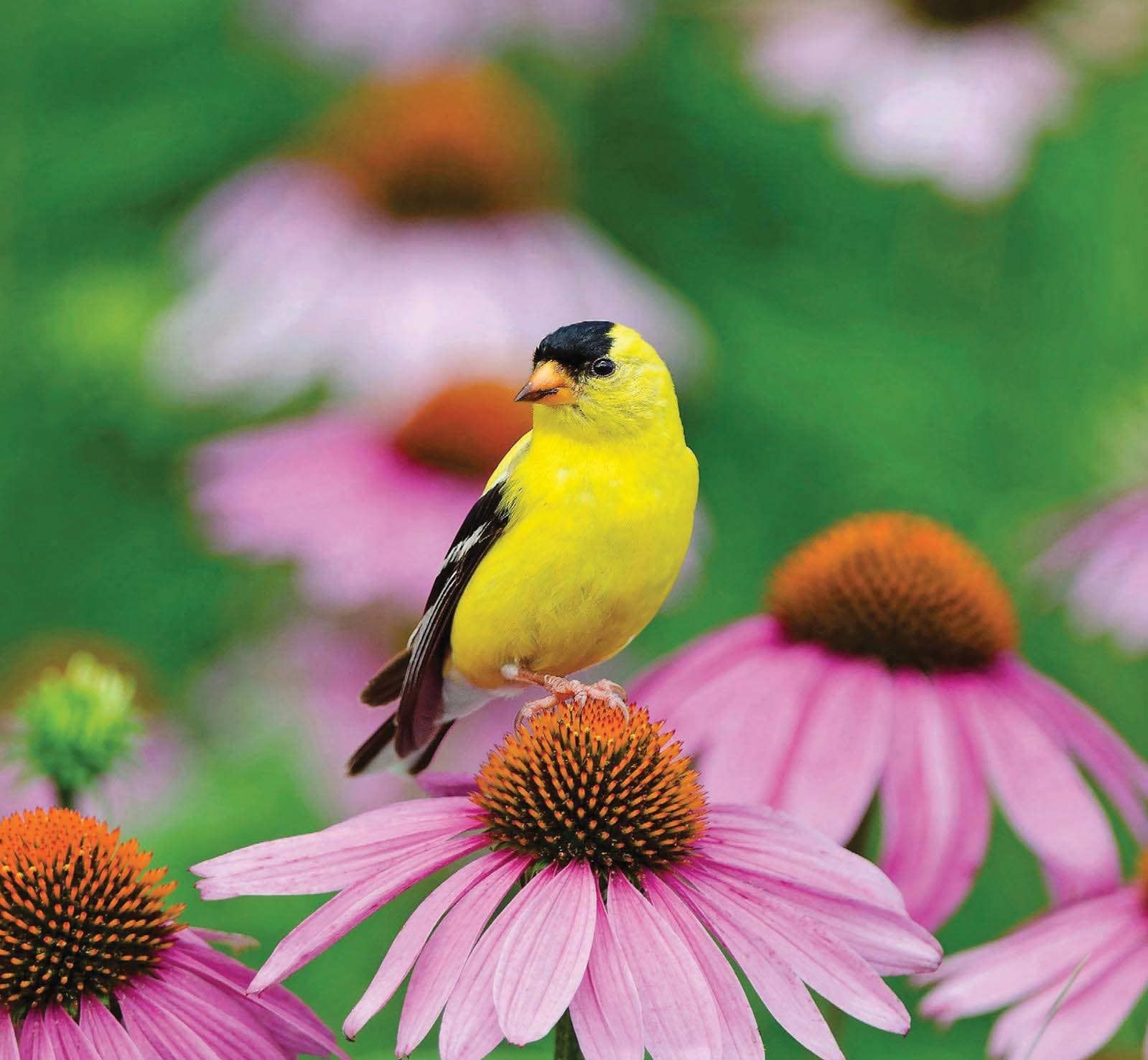
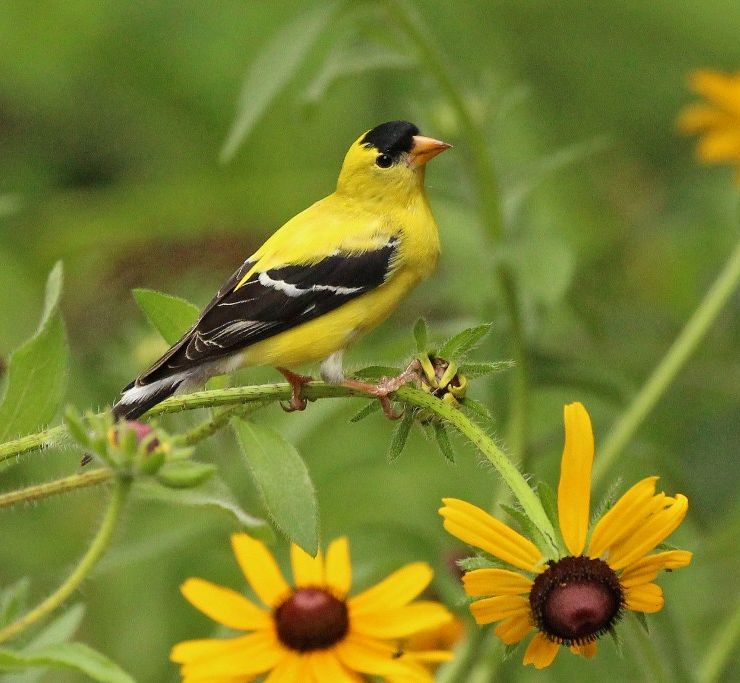
This native perennial is a favorite of Outdoor Dreams for its long-lasting blooms. The Purple Coneflower will attract high numbers of insects, including butterflies – which will, in turn, attract insectivorous birds. The seeds of Purple Coneflower are a favorite of the American Goldfinch (pictured) and are also consumed by a number of other birds.
Cardinal Flower
The cardinal flower’s bright red petals resemble the flowing robes worn by Roman Catholic cardinals, after which it was named.
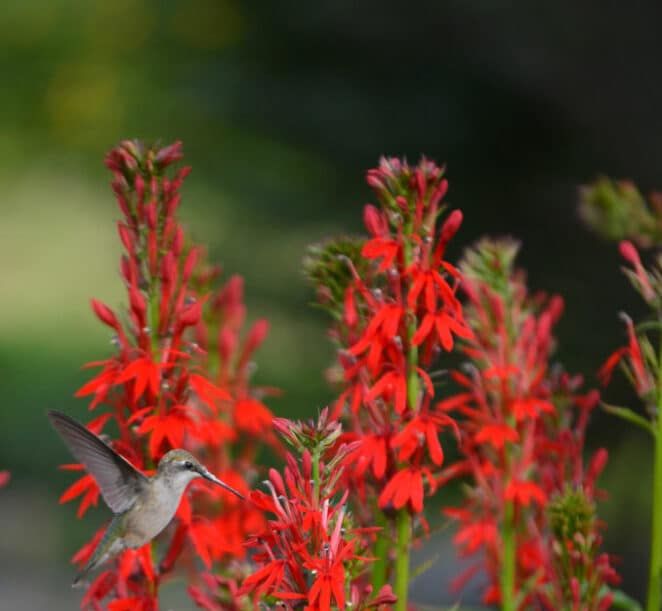
While few insects can navigate the long tubular flowers, hummingbirds feast on the cardinal flower’s nectar with their elongated beaks.
This moisture-loving plant is native across large portions of the country, including the East, Midwest, and Southwest.
Sunflowers
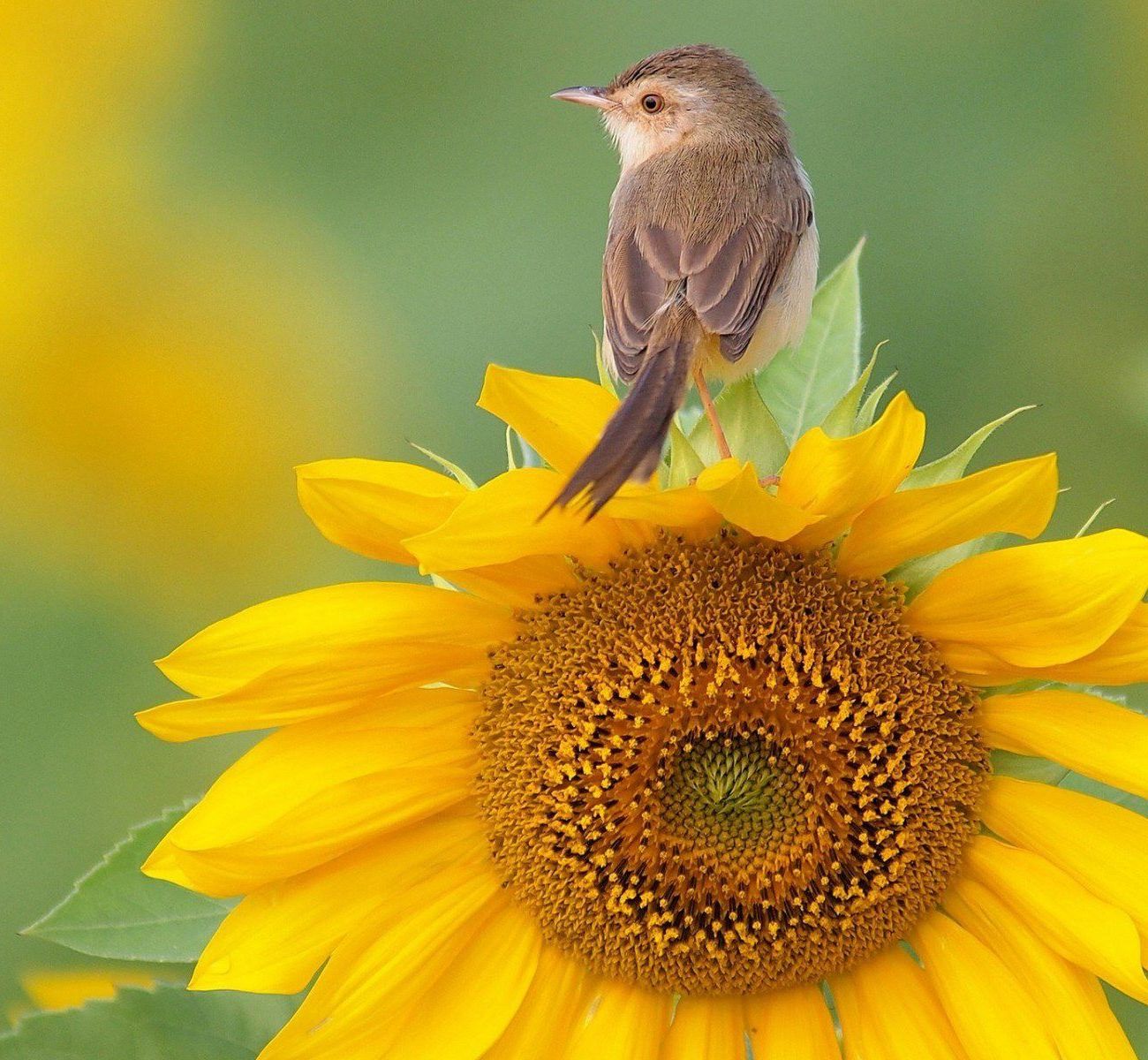
Sunflowers may signify loyalty and longevity for people, but they mean food for many birds. Birds often use the sunflower seeds to fuel their long migrations.
Plant this easy-to-grow annual in full sun near windows where you can watch songbirds fuel up for migration.
-
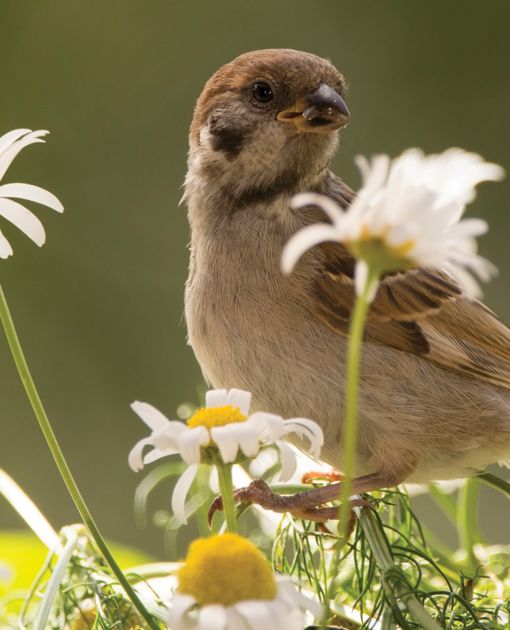
Daisy (Pictured)
-
Aster
-
Marigold
-
Cornflower
-
Black-Eyed Susans
-
Butterfly Weed
Shifting to Shrubs...
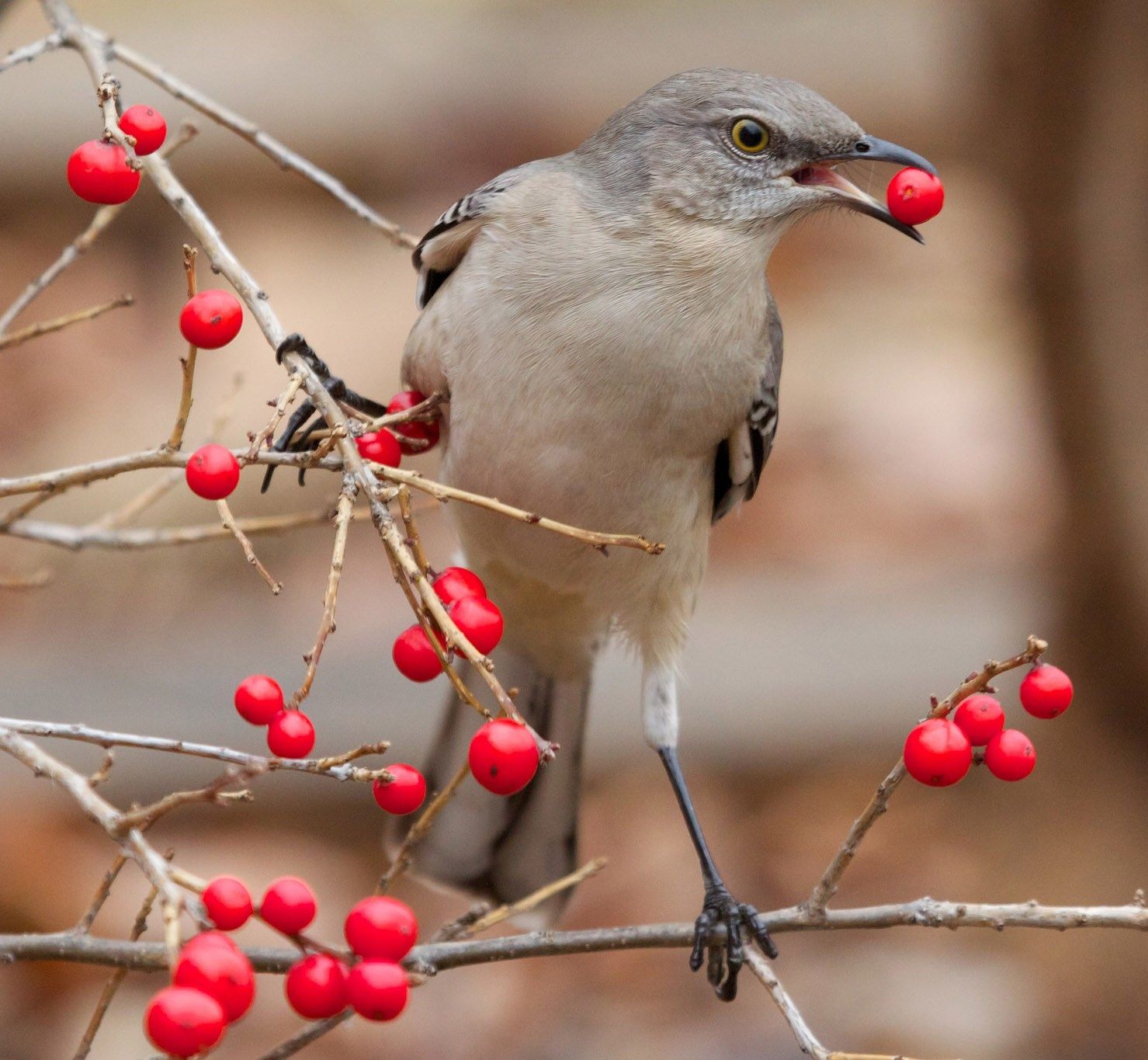
Winterberry Holly
A native holly that loses its leaves in the fall, winterberry is loved by humans and birds alike for the brilliant red berries that light up the winter landscape. Cut some branches for decoration, but leave most for the birds that rely on them. Winterberry needs a male planted nearby for the female to produce berries.
A wide variety of birds love this shrub, including cedar waxwings, scrub jays, robins — even ducks and wild turkeys.
Juniper
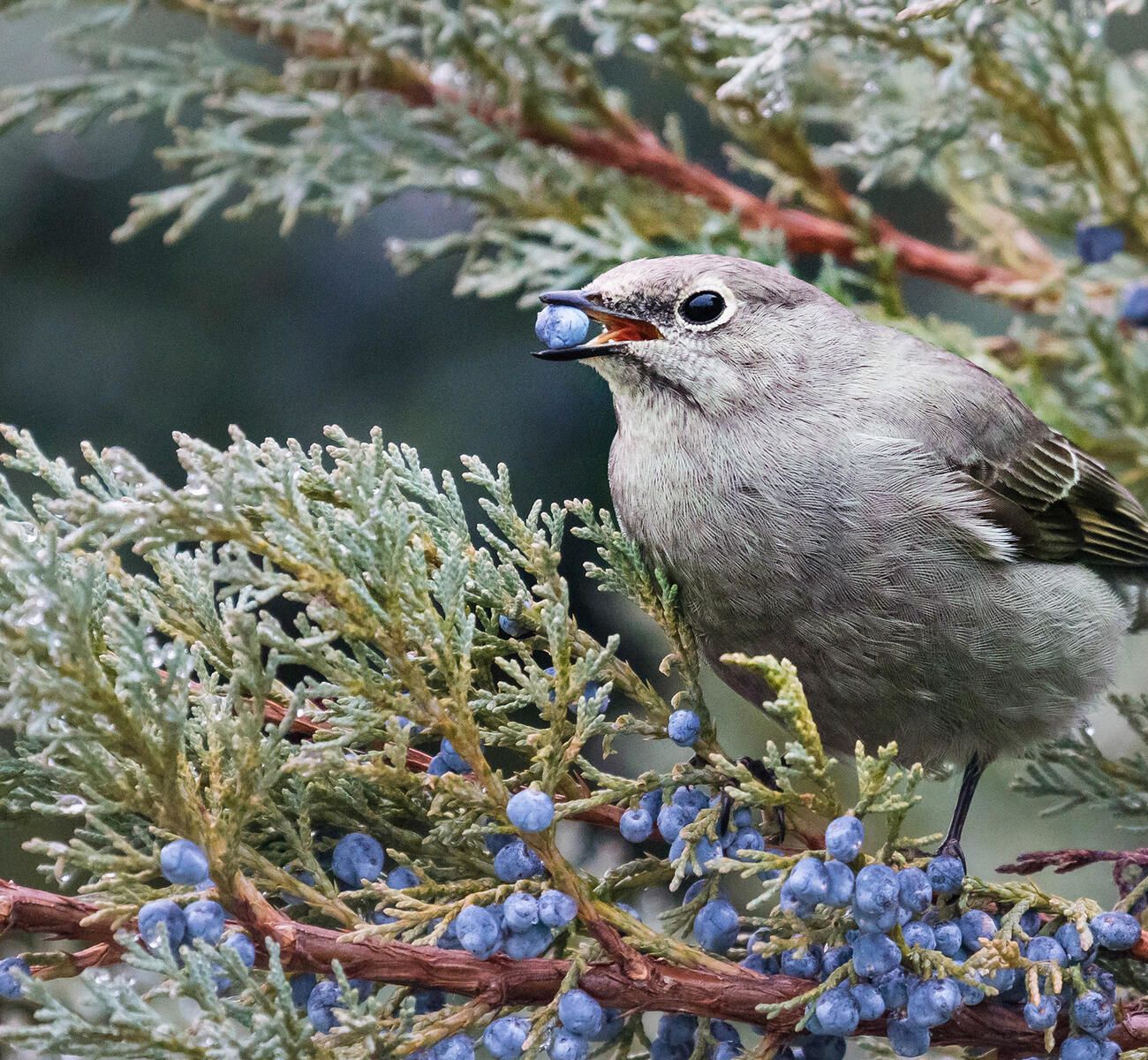
For evergreen shrubs that are low maintenance, drought-tolerant, and attract wildlife, especially songbirds, junipers are the best choice. Junipers come in a variety of heights and foliage colors and are suitable for ground covers, background plantings, hedges, and specimen or accent plantings. The blue berry-like cones are both great for decor and feeding your winged friends. Additionally, the dense foliage provides cover for nesting and protection from predators.
Viburnum
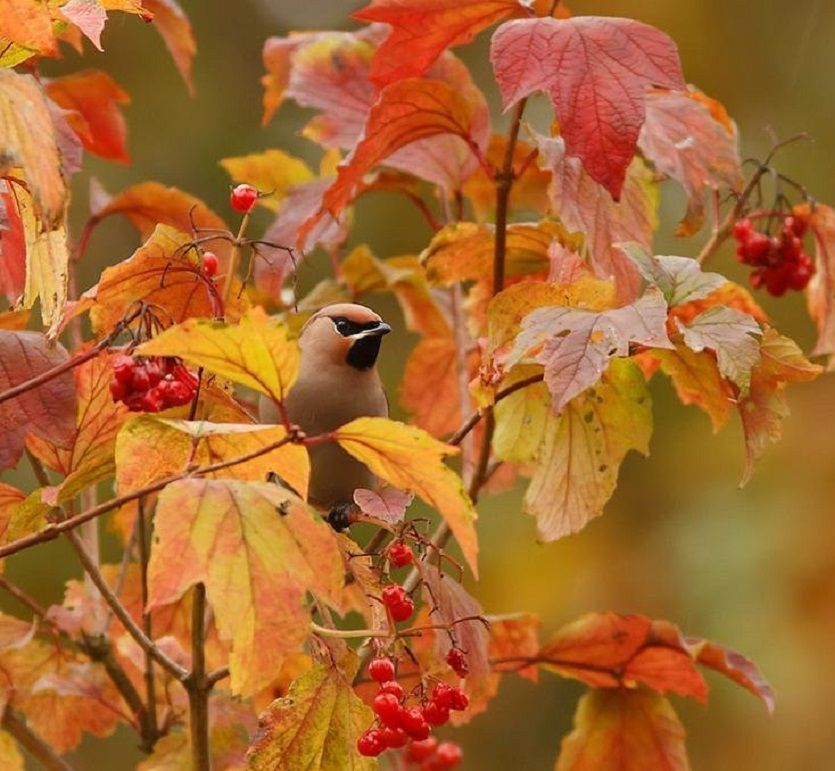
Whether it’s for you or your feathered friends, you can’t go wrong with adding viburnum to your landscape. Many varieties provide three seasons of interest and many offer fragrant flowers. Some are evergreen. These shrubs are all terrific garden plants, and most are berry-producing machines that are loved by all kinds of birds, including cardinals, mockingbirds, blue jays, and catbirds.
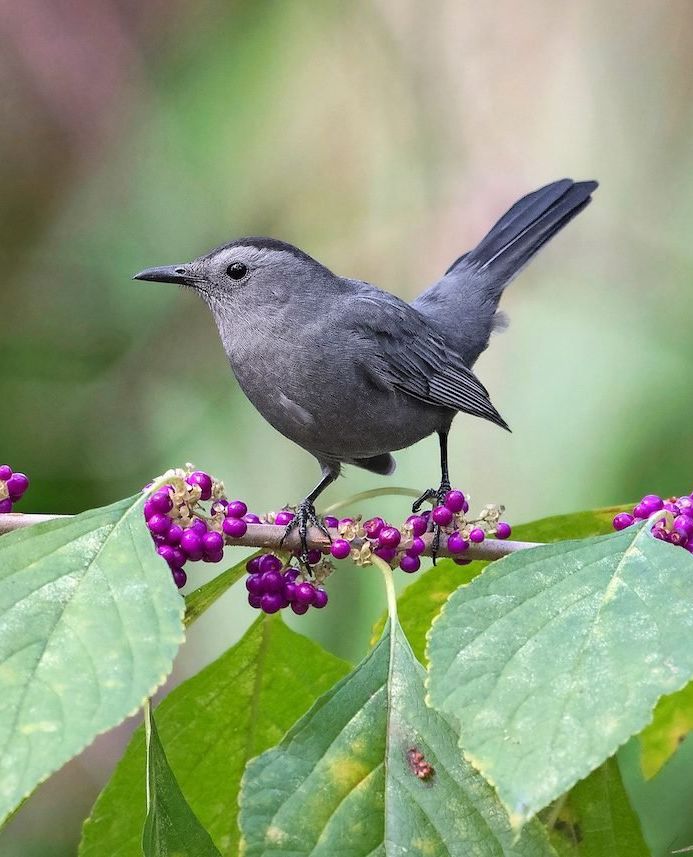
-
Beautyberry (pictured)
-
Elderberry
-
Witchhazel
-
Cotoneaster
-
Bayberry
-
Chokeberry
-
Sumac
-
Summersweet
-
St. John's Wort
-
Japanese Yew
Moving on to trees
Dogwood
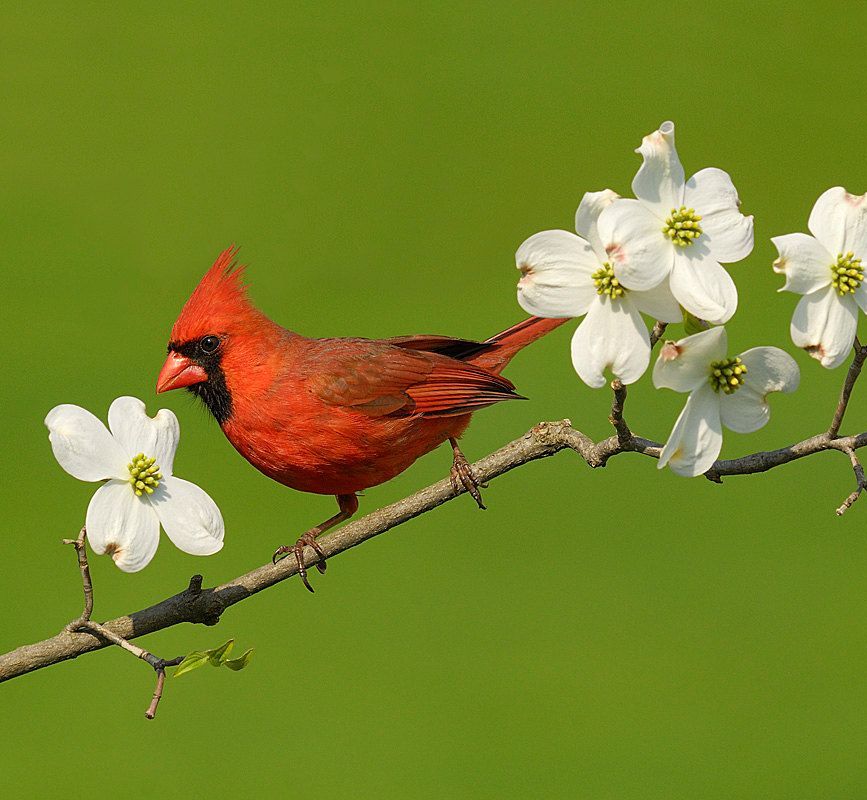
Is there a more "Virginia" photo than this cardinal on a dogwood branch?
Not only are dogwoods beautiful, but they also attract birds in droves. Robins, mockingbirds, and sparrows will build nests on the trees’ horizontal branches, and many others seek shelter in its leaves. And, of course, there’s the high-fat, red fruit that more than 35 species of birds will eat, including cardinals, tufted titmice, bluebirds, dark-eyed juncos, and waxwings.
Serviceberry
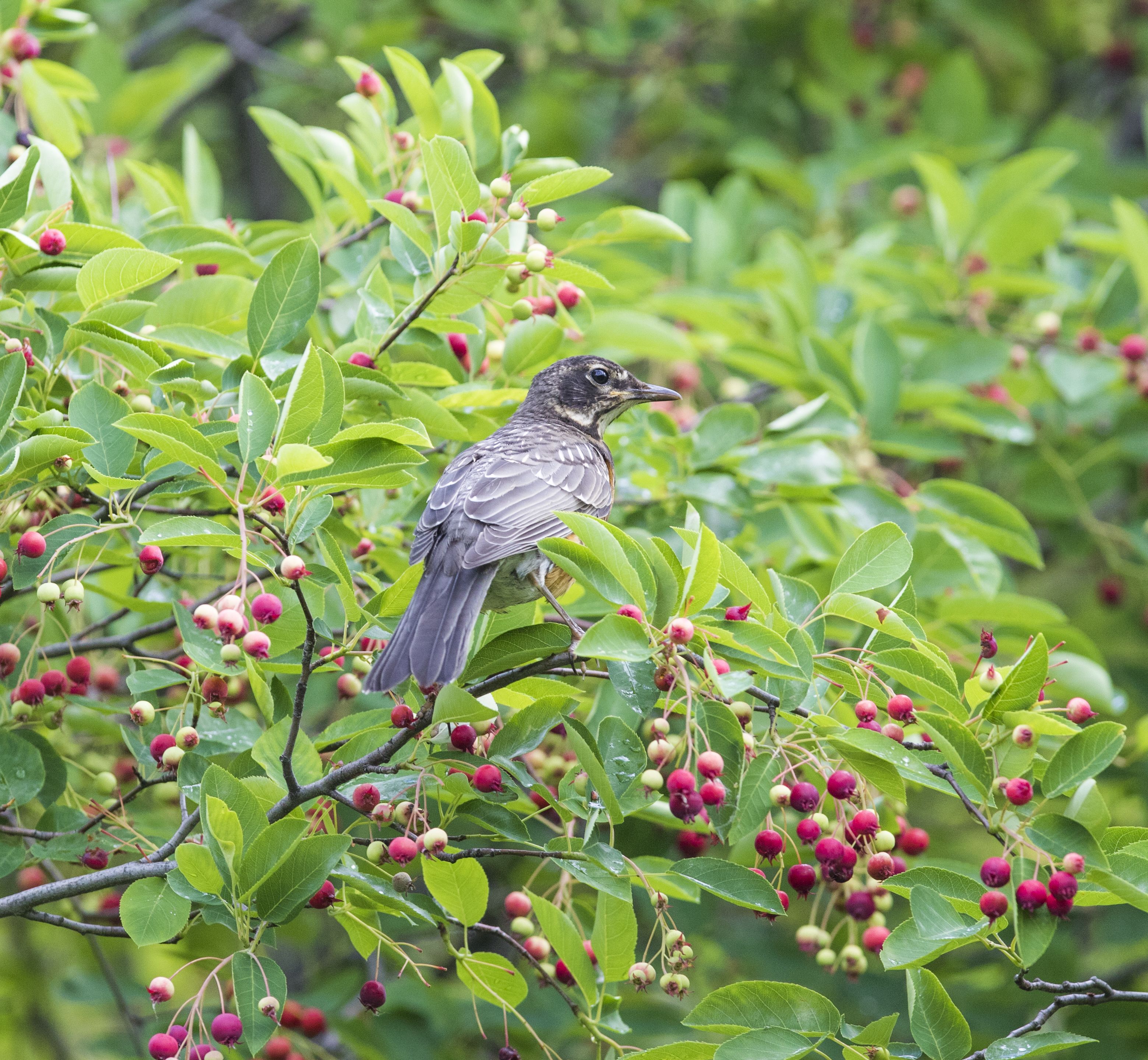
One of the top bird attracting plants in North America, Serviceberry is a small to medium-sized deciduous tree. In spring, Serviceberry blooms showy white flowers attract insects, which will, in turn, attract birds. In early-summer small purple-red fruits appear (sometimes referred to as Juneberries). Many wild birds consume the fruits (which are very nutrient-dense), including the Cedar Waxwing and Gray Catbird. In fact, the berries are often all consumed before they even fully ripen. The Serviceberry is also an attractive nesting option for breeding birds.
Oak
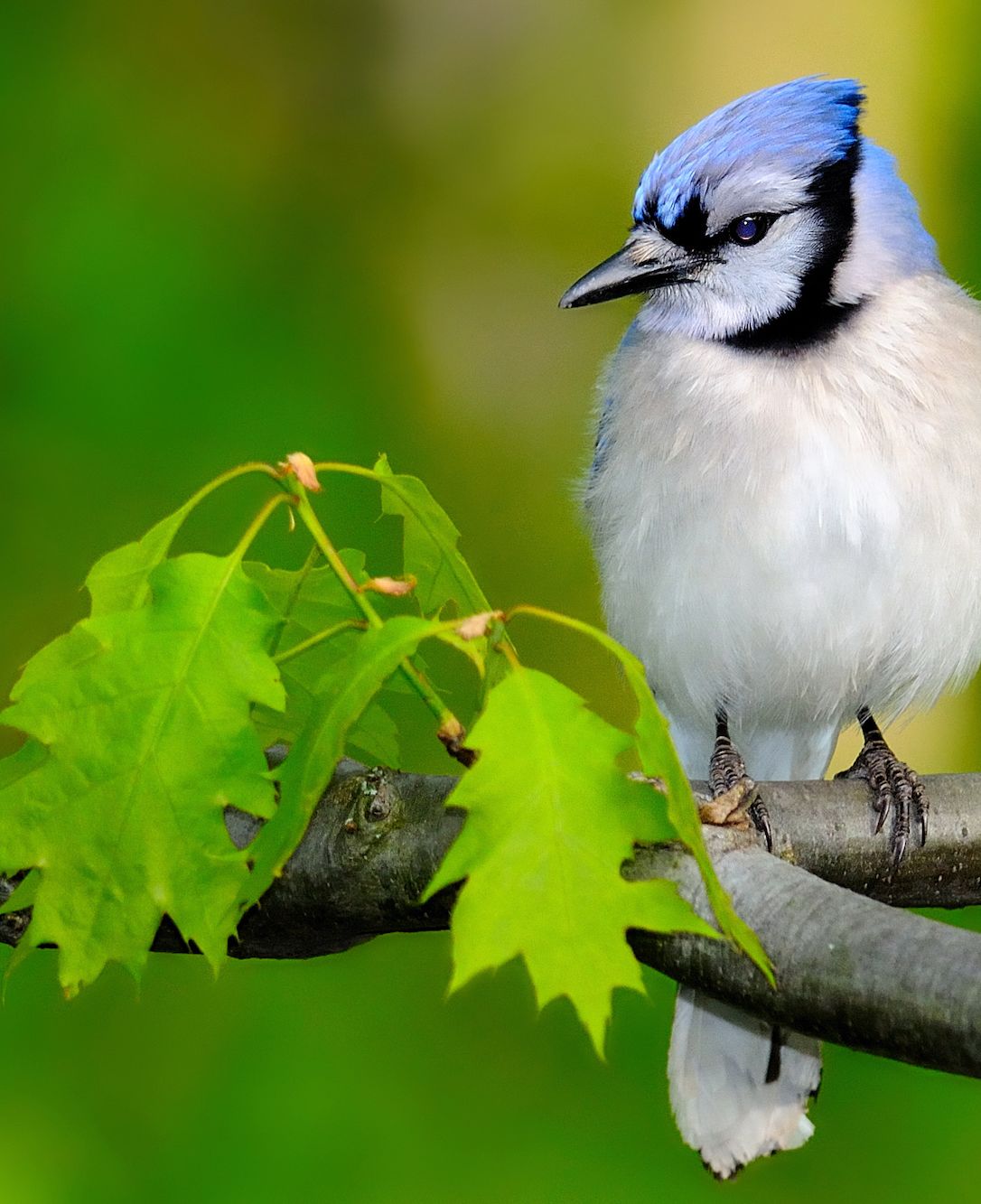
Long revered as symbol of strength, the Oak is the king of the forest canopy and probably the most vital of all tree species for wildlife – especially wild birds. Oak trees host more than 530 species of caterpillars, more than any other tree! In addition, they host many other insect species such as beetles and arthropods. For these reasons, Oak trees are the favorite of insect gleaning birds like Warblers and Tanagers (among many, many more). The fruit of the Oak Tree is their signature acorn, which many wildlife species rely upon, the acorn is a key component to the winter diet of many birds – including Blue Jays and Woodpeckers. Oak trees are also considered to be one of the strongest deciduous trees for shelter, due to their large branches, broad leaves, and tendency to hold their leaves later into autumn than many other deciduous trees. Oaks are also incredibly durable (even when dead) as they have high resistance to diseases and insect exploitation. Due to these characteristics Oaks are also a very popular nesting location for breeding birds (including cavity nesters). When it comes to attracting and sustaining birds there is arguably no better option than the Oak tree.
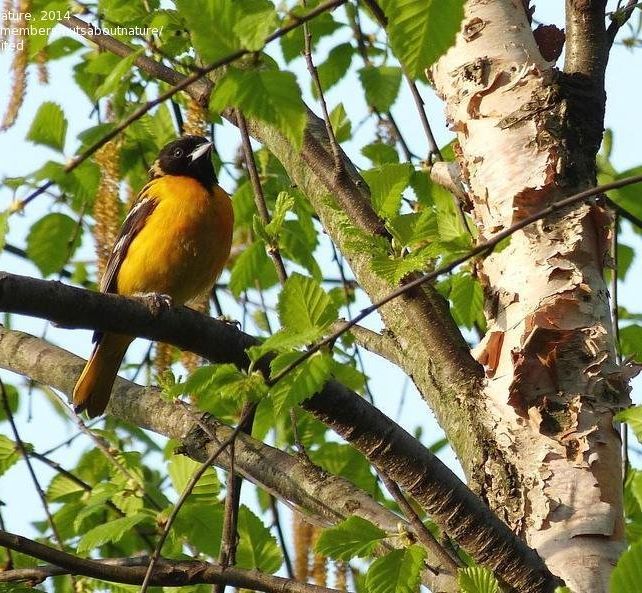
River Birch
Birch trees produce food for birds in the form of seeds (found in cone-shaped strobili), buds, and insects/caterpillars (plays host to many species). For these reasons Birch trees are one of the top options for finding and attracting birds (in addition to other forms of wildlife). Birch trees have high sap content, which makes them a favorite of the Yellow-Bellied Sapsucker.
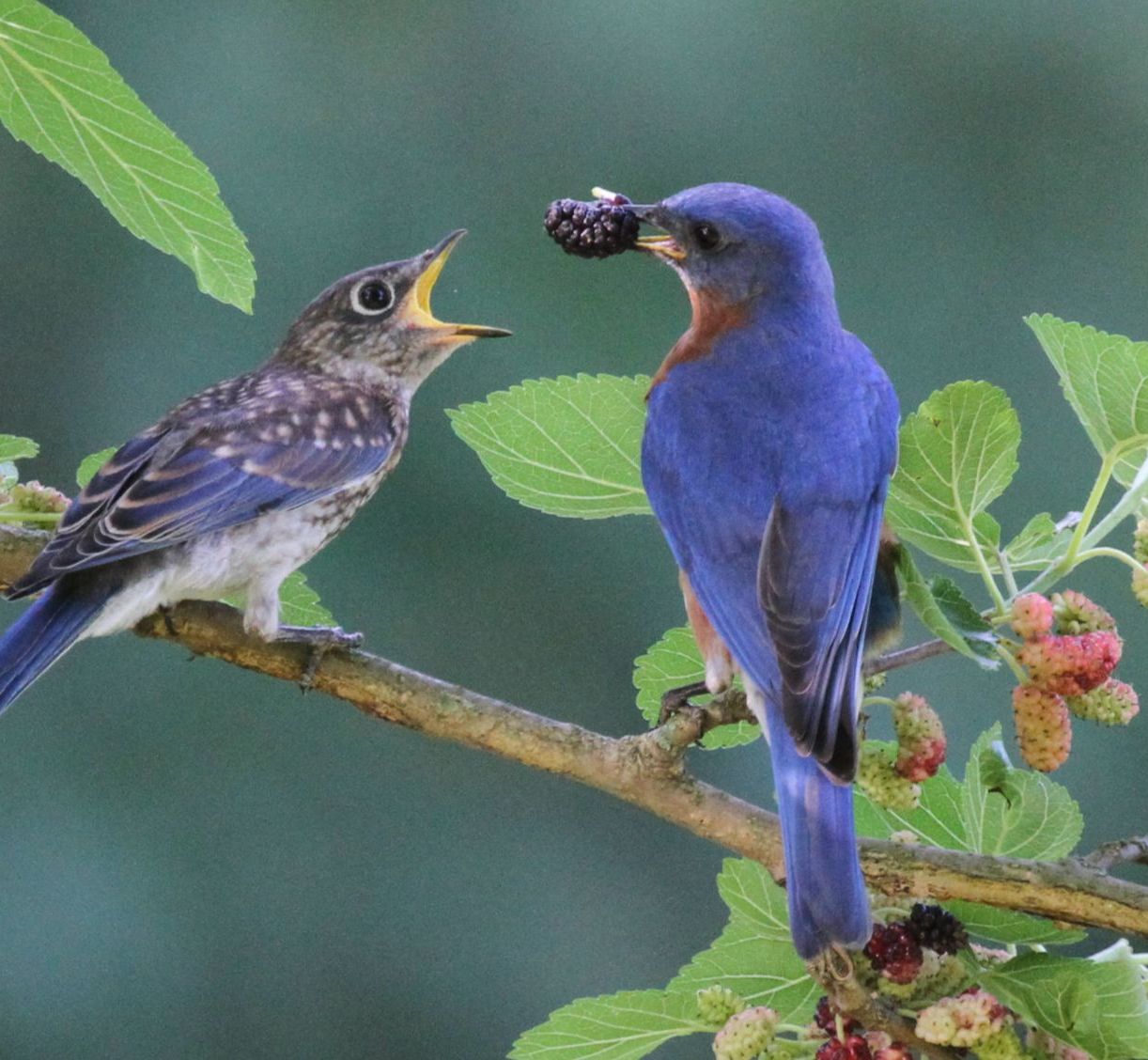
Red Mulberry
A medium-sized deciduous tree, most known for its plentiful, blackberry-like fruit that attracts many birds. This tree will also attract insects (which will in turn attract insectivorous birds). Red Mulberry is often planted for the sole purpose of attracting birds, for which it is very effective, especially when it comes to bringing in colorful birds like the Rose-Breasted Grosbeak and Scarlet Tanager.
-
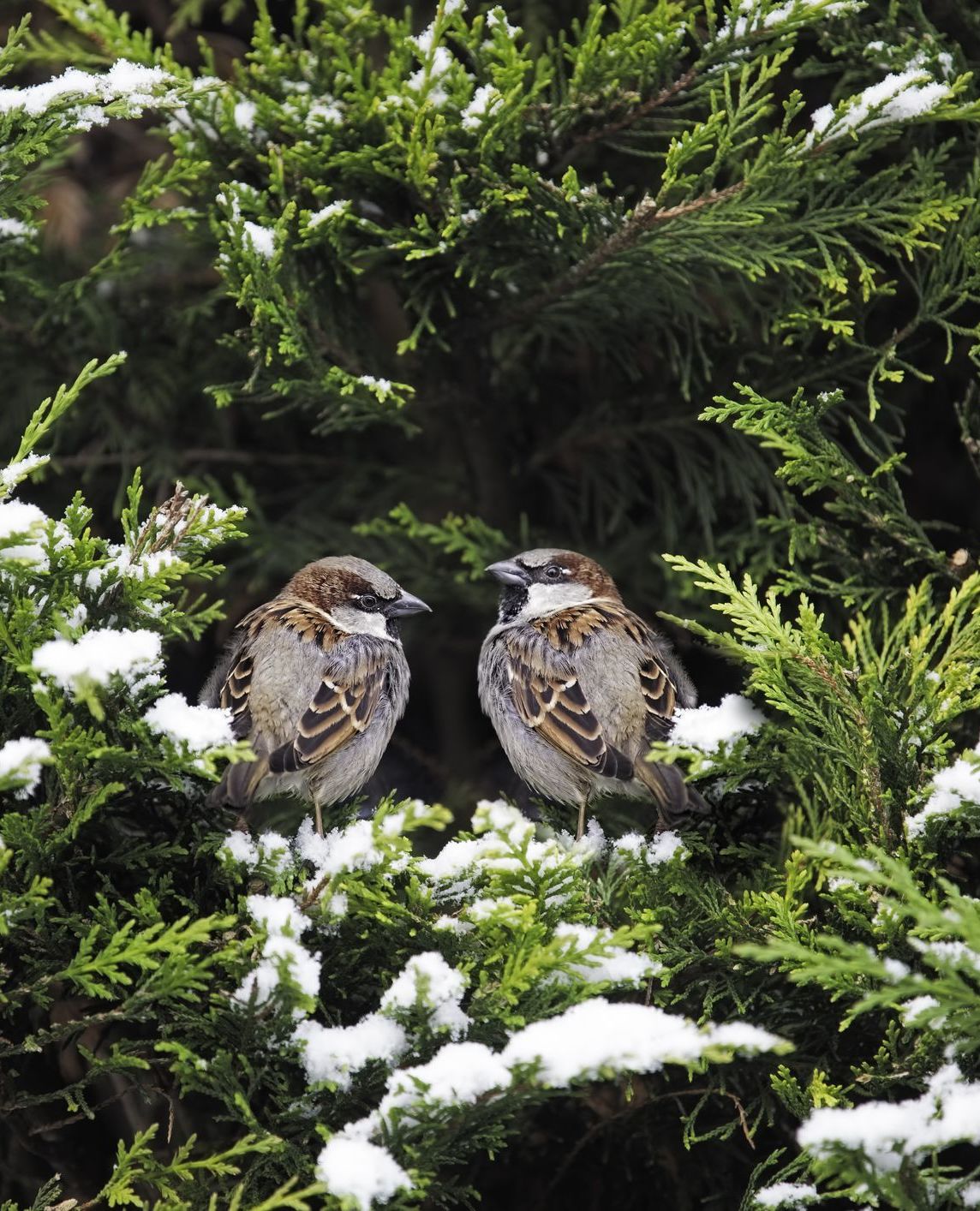
Arborvitae (Pictured)
-
Flowering Crabapple
-
Elm
-
Wild Black Cherry
-
Bald Cypress
-
White Pine
-
Norway & White Cypress
-
Eastern Hemlock
When in doubt...
Go Native!
If you're truly looking to create a bird sanctuary in your backyard, consider a landscape composed entirely of native plants. Without question, there is no better way to attract birds to your backyard than a native landscape. Birds are hardwired in their DNA to recognize and utilize native plants. From the moment native plants arrive, you will see an immediate increase in bird activity.
Fiberglass Swimming Pool Maintenance
Fiberglass Swimming Pool Maintenance
By following these straightforward maintenance practices, you’ll ensure your Outdoor Dreams fiberglass pool remains a stunning centerpiece of your outdoor space for years to come. Fiberglass pools are designed for longevity and easy care, allowing you to spend less time on maintenance and more time enjoying your pool with family and friends.